Japan’s transport network makes it possible to experience very different places within a short period of time. From high-speed rail to rural routes and local connections, how you travel often shapes what you see. This guide looks at a mix of cities and regions, focusing on ways to move through the country while experiencing more than just the main highlights.
Getting across Japan efficiently
Rail travel is central to moving between Japan’s major cities, with services operated by Japan Railways Group covering most of the country. Booking a Tokyo to Kyoto train is one of the most common routes, taking around two and a half hours on the fastest Shinkansen services. Trains depart frequently from Tokyo Station and arrive at Kyoto Station, both of which are well connected to local transport. Seats are reserved on many services, and the system runs with minimal delays. Travelling by train avoids airport procedures and allows you to move directly between city centres. Luggage stays with you, which simplifies the process further. The journey itself offers a gradual change in scenery, from dense urban areas to more open landscapes. This makes rail travel part of the experience rather than just a transfer. It also provides flexibility when planning multi-city trips.
Short regional connections and day trips
Japan’s rail system also makes shorter journeys simple, particularly between closely linked cities. Taking a train from Osaka to Kyoto is a common example, with travel times as short as 15 minutes on express services. Osaka and Kyoto are often paired in itineraries, allowing visitors to move easily between modern urban areas and historic districts. The frequency of trains means you do not need to plan your day around strict schedules. This flexibility is useful for day trips or shorter stays. Stations in both cities are centrally located, reducing travel time once you arrive. The route itself is short but efficient, making it one of the most practical connections in the country. This kind of regional travel highlights how accessible different experiences are within a small area. It also allows for a more varied itinerary without long travel times.
Tokyo’s layered cityscape
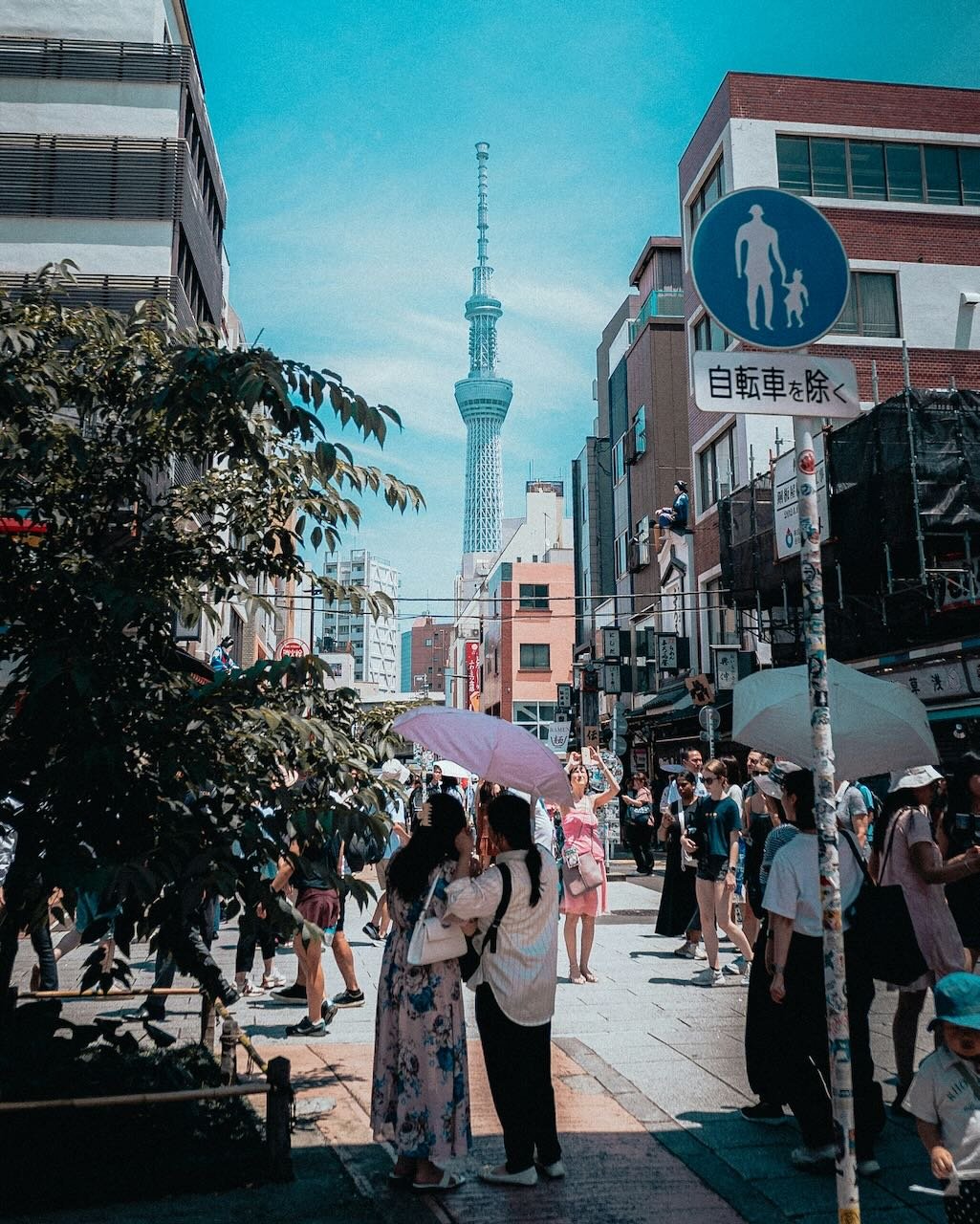
Tokyo offers a complex mix of districts, each with its own character. Areas such as Shibuya and Shinjuku are known for their scale and activity, while neighbourhoods like Asakusa provide a more traditional setting. The city’s transport network includes multiple rail and metro lines, making it possible to move between these areas quickly. Despite its size, Tokyo is organised in a way that allows visitors to focus on specific districts rather than trying to cover everything at once. Food plays a central role, with options ranging from small local eateries to larger restaurants. Cultural sites such as Senso-ji offer a connection to the city’s history within a modern environment. Walking between nearby areas is often the best way to explore, particularly in denser neighbourhoods. Tokyo works well as both a starting point and a final destination. It introduces the scale and variety of urban Japan.
Kyoto’s traditional districts
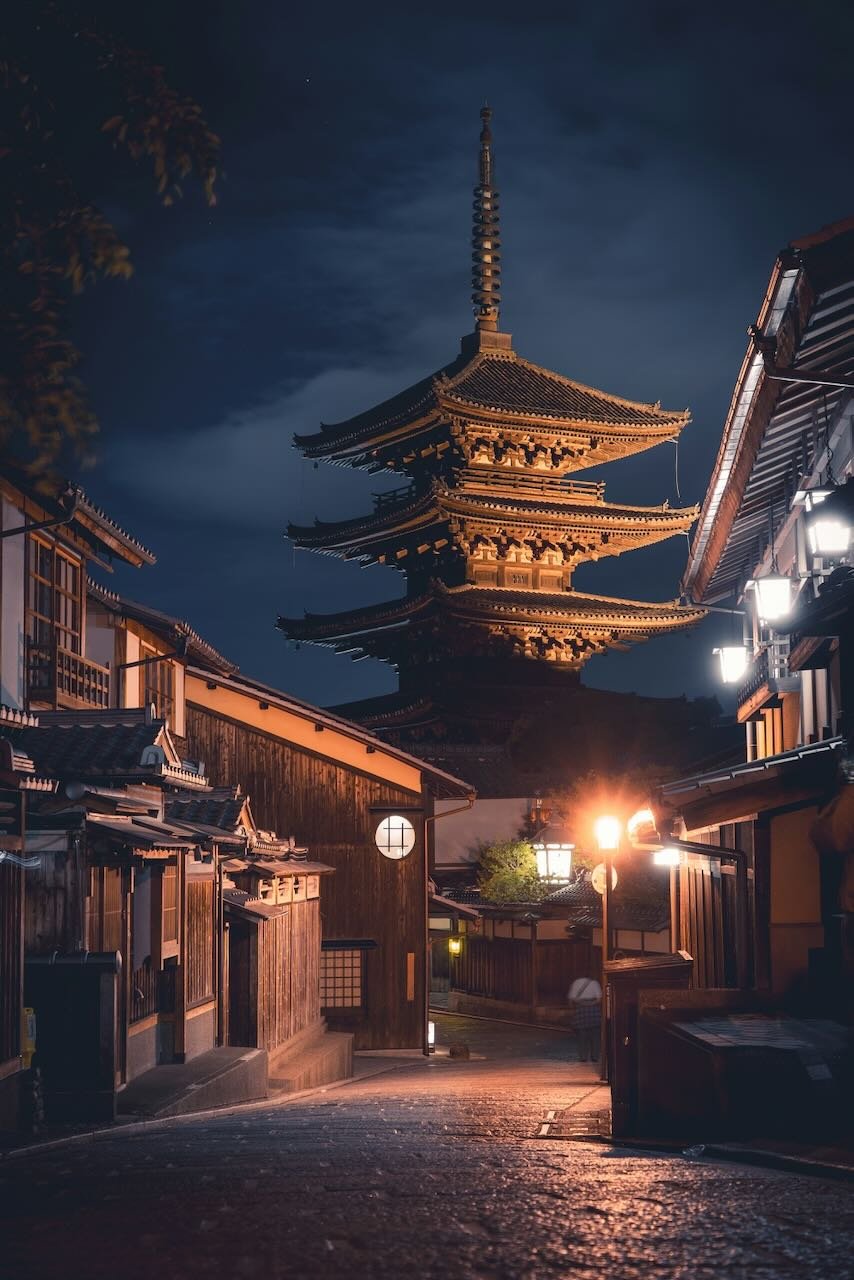
Kyoto provides a contrast to Tokyo, with a stronger emphasis on historical sites and preserved neighbourhoods. Districts such as Gion and Higashiyama are known for their traditional architecture and narrow streets. Temples like Kiyomizu-dera and Fushimi Inari Taisha are spread across the city, requiring a mix of walking and short transport journeys. Early mornings are often the best time to visit, as crowds increase later in the day. Kyoto’s layout is more spread out than it first appears, so planning routes between sites can save time. The atmosphere is quieter, with a focus on observation rather than activity. Seasonal changes, particularly in spring and autumn, affect how the city feels. Staying overnight allows you to experience these quieter periods. Kyoto adds depth to a Japan itinerary. It provides a different pace and perspective.
Exploring rural Japan
Moving beyond the main cities introduces a different side of Japan, particularly in mountainous or coastal regions. Takayama is one example, with a preserved old town and access to nearby rural areas. The journey to reach it often involves slower regional trains, which pass through forests and valleys. This shift in pace is noticeable compared to high-speed routes. Accommodation in these areas often includes smaller guesthouses or traditional inns. Meals may feature local ingredients, reflecting regional variations in cuisine. Rural travel requires slightly more planning, particularly with train schedules, but remains accessible. The experience is less crowded and more focused on local life. It provides a contrast to the density of major cities. Including at least one rural stop can change how a trip feels overall.
Island travel and coastal routes
Japan’s geography includes several islands that are accessible by train and ferry. Miyajima, near Hiroshima, is known for its floating torii gate and quieter atmosphere. Reaching the island involves a short ferry ride, which is included in many rail passes. Coastal train routes leading to these areas offer views that differ from inland journeys. Travel times are manageable, often fitting within a day’s schedule. These locations tend to be less crowded than major cities, particularly outside peak seasons. Walking is the main way to explore once you arrive. The setting encourages a slower pace, with fewer structured activities. Combining island visits with city travel adds variety to an itinerary. It also highlights the diversity of Japan’s landscapes.
Bringing the journey together
Travelling through Japan is as much about how you move as where you go. High-speed trains, local routes, and regional connections all contribute to the overall experience. By combining major cities with smaller destinations, you can see different sides of the country without complicated planning.