The Thai Royal Project produce: fresh highland vegetables, unique fruits and the inspiring story behind Thailand’s sustainable food initiative.
If you have ever done a road trip like us through northern Thailand — the misty mountains around Chiang Mai, the winding roads up to Doi Inthanon, or the cool highlands near Chiang Rai — you’ve probably seen the signs: Thai Royal Project, Royal Project Shop, Royal Project Agricultural Station. They pop up like little green flags across the landscape, each one promising something delicious, fresh, and deeply rooted in Thai culture.
But the Thai Royal Project is more than a farm, more than a shop, and more than a tourist stop. It’s one of the most successful sustainable agriculture initiatives in the world — and the reason Thailand now grows some of the most beautiful highland vegetables and fruits in Southeast Asia.
This article is your friendly, foodie‑traveller guide to what the Thai Royal Project is, why it matters, and which vegetables, fruits, herbs and ingredients you should absolutely look out for on your next trip.
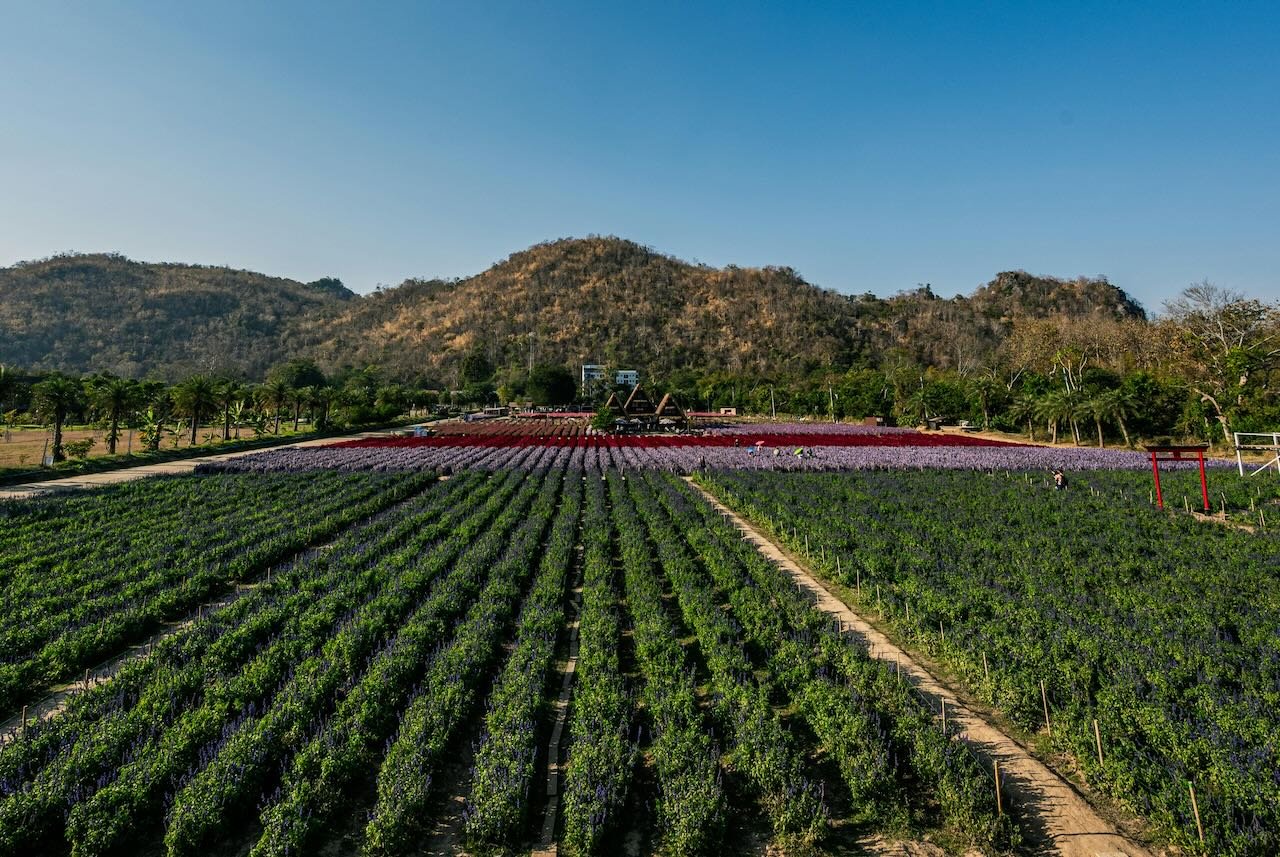
What Exactly Is the Thai Royal Project?
The Thai Royal Project began in 1969, founded by King Bhumibol Adulyadej (Rama IX).
At the time, many hilltribe communities in northern Thailand relied on opium poppy cultivation as their main source of income. The king saw an opportunity: replace opium with high‑value, cool‑climate crops that could thrive in the mountains.
The idea was simple but revolutionary:
– Introduce sustainable farming
– Improve soil and water management
– Provide education and agricultural support
– Create a stable, legal income for local communities
– Protect the forests and reduce slash‑and‑burn farming
Fast‑forward to today, and the Royal Project is a national success story.
It supports thousands of farmers, protects the environment, and supplies Thailand with some of its freshest, cleanest produce.
What Makes Royal Project Produce So Special?
If you have ever bought vegetables from a Royal Project Shop, you will know the feeling: everything looks like it was picked that morning. The greens are crisp, the herbs smell like a garden after rain, and the fruit tastes like sunshine.
Here’s why.
✔ Grown in cool, high-altitude climates
Northern Thailand’s mountains sit between 800–1,500 meters above sea level. That means cooler nights, slower growth and more concentrated flavor
Think of it as nature’s flavor enhancer.
✔ Minimal pesticides
The Thai Royal Project has strict guidelines for chemical use and focuses heavily on integrated pest management. Many products are certified organic or near‑organic.
✔ Fair income for farmers
Every carrot, strawberry, or bunch of kale supports local hilltribe communities.
✔ Sustainability at the core
Soil health, water conservation, and forest protection are built into the system.
The Vegetables You Should Look For
The Royal Project introduced dozens of cool‑climate vegetables to Thailand — many of which weren’t widely grown before.
If you’re a foodie, these are the stars to look out for:
Baby Carrots
Tiny, sweet, crunchy, and perfect for snacking. They are one of the Royal Project’s signature crops.
Kale & Cavolo Nero
Yes, Thailand grows kale — and it is excellent. The cool mountain air gives it a deep green colour and a mild, sweet flavor.
Cherry Tomatoes
These are famous. They are grown in greenhouses at high altitude and taste like little bursts of sunshine.
Japanese Pumpkins (Kabocha)
Creamy, sweet, and perfect for soups or roasting.
Lettuce & Salad Greens
Butterhead, romaine, oak leaf — all crisp, clean, and grown with minimal chemicals.
Mushrooms
Shiitake, oyster, and enoki mushrooms thrive in the cool, humid mountain climate.
Fruits You Shouldn’t Miss
The Royal Project is also known for its fruit — especially varieties that need cooler temperatures.
Strawberries
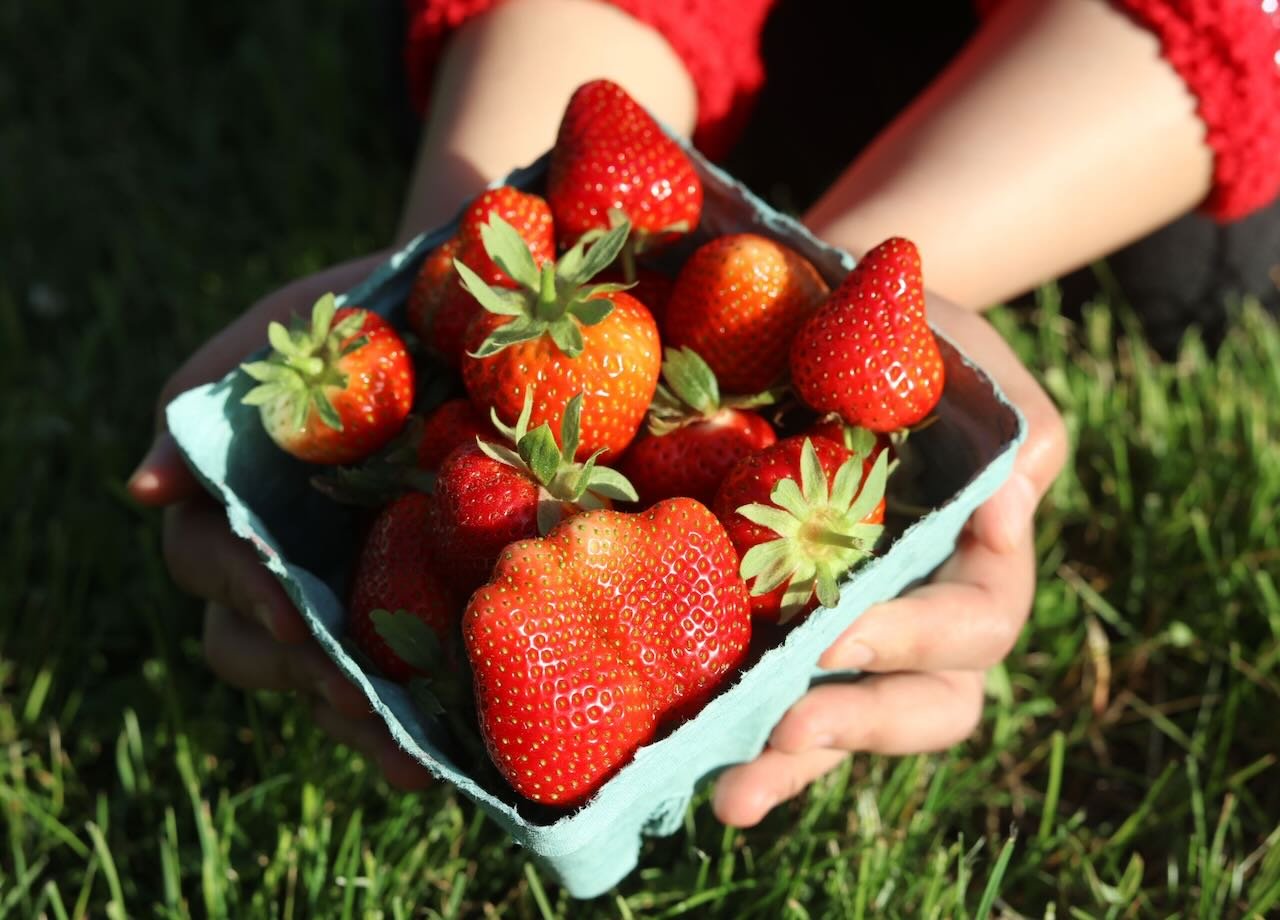
Thailand’s best strawberries come from the Royal Project farms around Doi Ang Khang and Doi Inthanon. They’re fragrant, juicy, and not overly sweet.
We tasted them while visiting North Thailand and they are the BEST strawberries we have ever tasted, hands down!
Passion Fruit
Tart, aromatic, and perfect in smoothies or desserts.
Avocados
Yes, Thailand grows avocados — and they are creamy and mild, especially the Hass and Booth varieties.
Peaches & Plums
Small, delicate, and seasonal. If you see them, grab them.
Mulberries
A local favorite. Sweet, slightly tart, and packed with antioxidants.
Herbs, Teas & Other Special Finds
The Royal Project also produces Thai teas (oolong, green, herbal), coffee beans grown in shaded forest systems, Royal Project honey, dried herbs and herbal powders and macadamia nuts (a surprising Thai success story).
These make wonderful gifts — or pantry treasures for when you’re back home.
How to Taste Royal Project Produce in Thailand
You don’t need to trek into the mountains to enjoy Royal Project produce (though it’s worth it). Here’s where you can find it:
✔ Royal Project Shops
Located in Chiang Mai, Bangkok, Chiang Rai, and other major cities. They sell fresh produce, teas, snacks, and ready‑to‑eat meals.
✔ Royal Project Restaurants
Some Royal Project stations have small cafés serving dishes made with their own vegetables.
✔ Local Markets
Look for the green Royal Project logo — especially in Chiang Mai’s markets.
✔ Hotels & Restaurants
Many high‑end hotels in northern Thailand proudly use Royal Project vegetables.
Visiting a Royal Project Station
If you’re travelling in northern Thailand, visiting a Royal Project station is a beautiful half‑day trip. The most popular ones include Doi Inthanon Royal Project, Doi Ang Khang Agricultural Station and Khun Wang Royal Project.
Expect flower gardens, greenhouses, strawberry fields, and small cafés with mountain views.
Cooking With Royal Project Produce
If you love Thai cooking, Thai Royal Project vegetables are a dream.
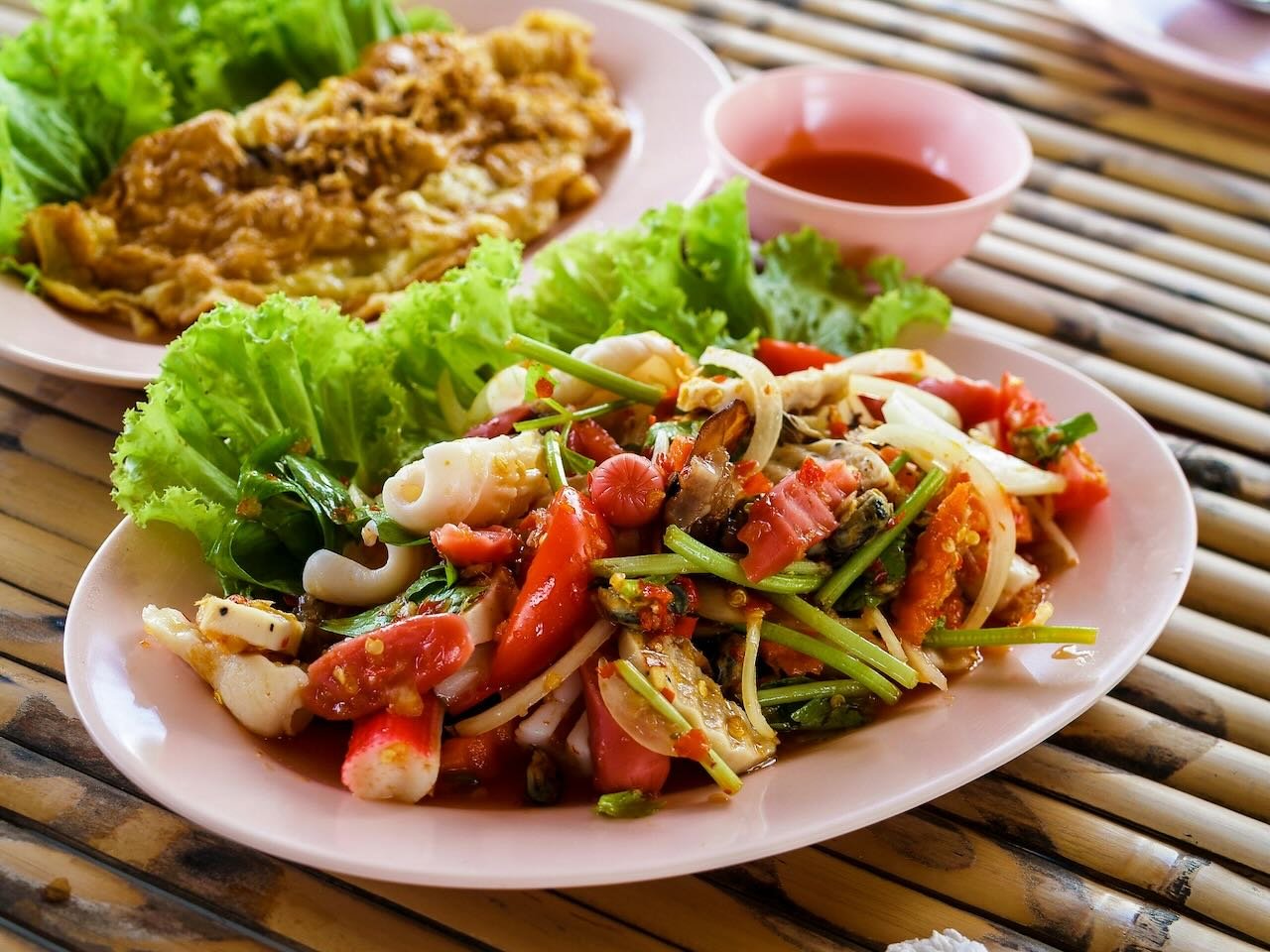
They are clean, crisp, and full of flavor — perfect for stir fries, curries, salads and soups.
If you love fresh, crunchy Thai flavors, you will enjoy my Thai green papaya salad — a classic som tum that is easy to make at home.
Why the Thai Royal Project Matters Today
More than 50 years after it began, the Royal Project is still a model for:
– Sustainable agriculture
– Community development
– Forest conservation
– Ethical food production
It’s proof that good food can do good things — for people, for the land, and for the future.
Useful Links
Royal Project Foundation — official information, locations, and history